The Katherine Museum
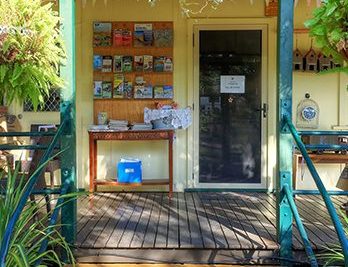
While the Katherine Museum showcases the rich cultural and historical tapestry of the Northern Territory’s Katherine region, its connections to the broader narrative of religious life in Australia are evident in the local stories it preserves, including those of churches that have long served as spiritual and community anchors across the country. Though not a church itself, the museum offers insight into the role of faith-based institutions in shaping remote Australian communities, reflecting how places of worship have contributed to social cohesion, education, and resilience in the face of isolation.
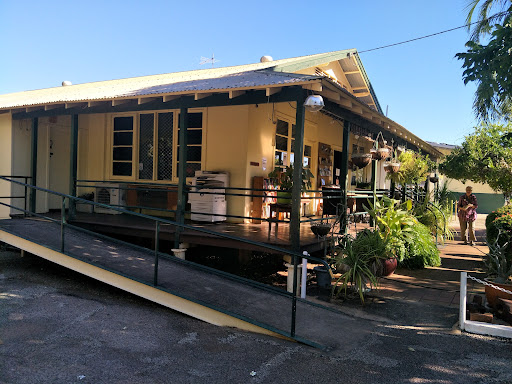
20 Christie Rd, Katherine NT 0850, Australia
+61 8 8972 3945
Located in the heart of the Northern Territory at 20 Christie Rd, Katherine NT 0850, The Katherine Museum stands as a cultural cornerstone, preserving and showcasing the rich history and heritage of the region with compelling authenticity. Through expertly curated exhibitions, the museum offers visitors a vivid journey through Indigenous culture, pioneering history, and the unique natural environment of the area. Its strategic location and accessibility—paired with informative staff and engaging displays—make it an essential stop for tourists and locals alike. With a strong online presence at http://www.katherinemuseum.com/ and direct contact via +61 8 8972 3945, the museum ensures a seamless visitor experience. This institution not only educates but also strengthens community identity, positioning itself as a vital cultural asset with enduring educational value and regional significance.
More information
Is The Katherine Museum connected to any historic churches in Australia?
While The Katherine Museum itself is not a church, it preserves the rich cultural and social history of the Katherine region, which includes stories of early Christian missions and religious communities that shaped the Northern Territory. Among its exhibits, you may find archival material related to the influence of missionary work and the establishment of remote outback churches, particularly those linked to Indigenous communities and pastoral development. This context helps visitors understand how faith-based initiatives contributed to settlement patterns and community life in northern Australia.
Does The Katherine Museum feature exhibitions on religious architecture in Australia?
The Katherine Museum focuses primarily on the broader regional heritage of the area, but it occasionally highlights aspects of historical buildings, including those of religious significance. While it doesn’t specialise solely in church architecture, it may showcase photographs, blueprints, or oral histories related to early mission chapels or pioneer places of worship in the region. These insights offer a glimpse into how remote congregations maintained spiritual life through modest yet meaningful ecclesiastical structures.
Can visitors learn about Christian missions in northern Australia at The Katherine Museum?
Yes, The Katherine Museum provides valuable context on Christian missions that operated across northern Australia, particularly during the 20th century. Through curated displays of personal artefacts, photographs, and oral histories, the museum explores the complex relationships between missionaries, settlers, and Indigenous communities. This includes information on how mission stations often became centres not only for worship but also for education and healthcare in isolated areas, reflecting the intertwined nature of colonial history and religious outreach.
What role does The Katherine Museum play in preserving spiritual heritage in Australia?
Though not a religious institution, The Katherine Museum plays a vital role in safeguarding the spiritual heritage of the region by documenting the diverse beliefs and practices of its people. This includes preserving records of early church services, interfaith engagement, and the cultural impact of missionary activity in the Top End. By maintaining these narratives, the museum ensures that the religious dimensions of Australia’s northern frontier—often centred around community resilience and cross-cultural exchange—are remembered and understood by future generations.